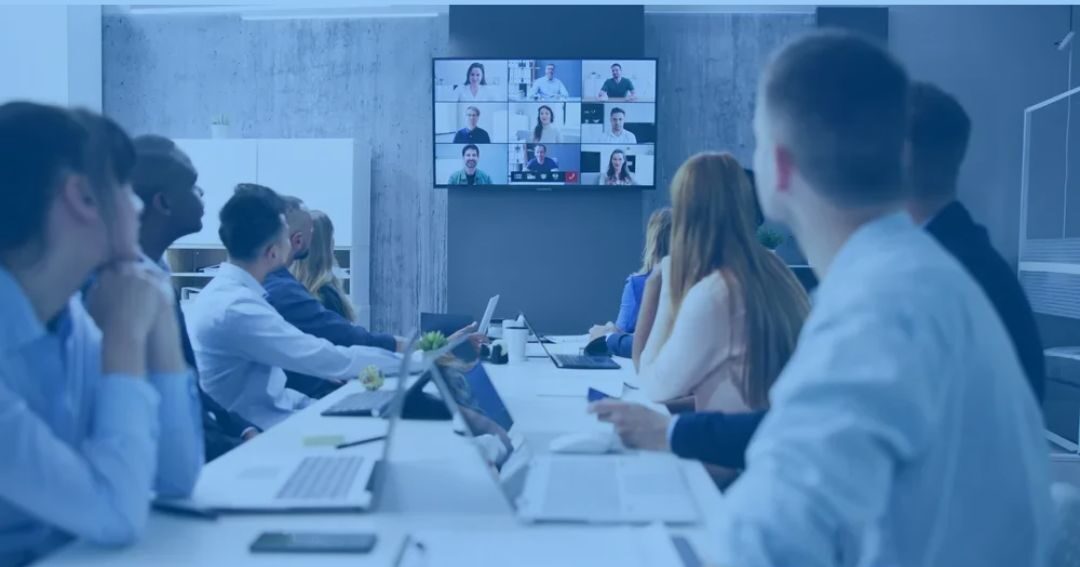
The question is, is online and hybrid meetings a blessing or a tool to exclude owner participation. I for one is in favour of online and hybrid meetings as these represent a remarkable advancement in how we can conduct discussions within the community schemes community. These modern meeting formats are truly the future, offering unparalleled convenience and efficiency, ensuring attendance and participation.
One of the exceptional benefits is the incorporation of AI, which allows meetings to be recorded and transcribed almost instantly. This capability ensures that every detail is meticulously noted, enabling decisions to be documented and preserved indefinitely. Such accurate record-keeping simplifies decision-making and serves as a reliable source of evidence for decisions made, including votes cast for or against particular motions. As a result, disputes are significantly minimised, fostering a more harmonious environment.
Moreover, these meetings are designed to give every owner the opportunity to express their views and concerns. They maintain the essential structure of a traditional meeting by ensuring that participants speak through the chair when given the opportunity. This approach not only enhances order and respect during discussions but also prevents disruptions by ensuring that contributions are relevant and constructive.
In my experience online and hybrid meetings have consistently demonstrated higher attendance and participation rates. The flexibility they offer, allowing individuals to join from any location in the country or even the world and accommodates diverse schedules and commitments. This inclusivity enhances community engagement, ensuring that a broader spectrum of voices is heard and considered and presents an exciting and positive opportunity for improved communication, accountability, and participation. It further represents a progressive step forward, embracing technology to meet the needs of community schemes more effectively and inclusively.
I do however hear the voice of fear and frustration where these tools have been used or are being used to stifle dissenting opinions which then leads to unhappiness and conflict in schemes.
By adopting clear rules or protocols prior to implementing online or hybrid meetings one can, in my opinion exclude or at least, minimise the negatives experiences by owners. The following should be considered:\
- Clear Notice, Agenda and Information Sessions: Distribute the meeting notice and accompanying documentation, like the trustees report or audited financials, well in advance as required by the legislation together with the detailed agenda
2. Ensure an Adequate Technology Setup: Choose reliable and user-friendly tools for video conferencing. We are blessed in South Africa that we have a tool like @MeetingPal which makes the online or hybrid meetings easier and completely transparent and auditable. Provide technical support and guidelines for owners who are not that tech savvy to join and participate effectively.
3. Digital Access and Inclusivity: Ensure all owners have the means to access the online platform, possibly offering assistance for those unfamiliar with the technology and make available a shared platform and physical meeting space for those that do not have the means or knowledge to participate online. Accommodate for different time zones if owners reside internationally, to maximize participation. Many schemes in the Western Cape is owned by non-residents or non-citizens and accommodating these owners by why of technology will surely have a positive effect on the scheme.
4. Structured Engagement: Implement a structured order of speaking, such as raising of digital hands, to maintain order and give everyone a chance to contribute. Don’t allow a free for all mentality as this will surely have disastrous outcomes. Encourage structured sessions for questions and feedback.
5. Moderator Role: Appoint a neutral moderator or chair to manage the flow, ensuring that discussions remain respectful and every participant gets a chance to speak. We have found that using the staff of MeetingPal or an independent chair has enhanced the meetings tremendously.
6. Feedback Loops: Always incorporate mechanisms for gathering feedback both during and after the meeting, such as email surveys, Q and A functions with someone manning it and give real time feedback during the meeting or physical feedback forms. Always answer questions fully without an attempt to obfuscate.
7. Record and Document: Record meetings for transparency and accountability. Remember that these meetings are the member’s meetings and as such it is their information, transcripts and recordings. Provide the transcriptions and minutes promptly as required by the act to all owners, ensuring they reflect discussions accurately. There is no longer an excuse to make these available as they can be done by AI, only to be checked by the managing agent and trustees.
8. Legal Compliance: Adhere to the requirements of the Sectional Titles Schemes Management Act, especially concerning voting, quorum, and procedural rules. The available software now ensures very accurate outcomes. Store the outcomes and underlying data that supports the outcome for future evidence.
Be aware of specific provisions outlined in the Memorandum of Incorporation and rules of Home Owners Associations as they might differ from sectional title schemes.
9. Conflict Resolution: Establish procedures for resolving disputes or misunderstandings that may arise during or from the meeting.
10. Training and Support: Offer pre-meeting training sessions or resources to familiarise non tech savvy owners with the online meeting process and technology. By integrating these protocols, online and hybrid meetings can be conducted smoothly, respecting the rights of owners to actively participate and ensuring the transparency and integrity essential in the sectional title and homeowners association contexts.
By integrating these protocols, online and hybrid meetings can be conducted smoothly, respecting the rights of owners to actively participate and ensuring the transparency and integrity essential in the sectional title and homeowners association contexts.
Consider incorporating such rules or protocols into the management rules of the scheme or rules of the HOA. Collaboration between sectional title experts like @TVDM Consultants, @DTB Attorneys and @MeetingPal will ensure that protocols are correctly formulated and implemented into the rules of the scheme in accordance the requisite owner participation to ensure that the voice of owners can be heard at inline and hybrid meetings.
By Willie Roos
CEO
Stratafin